

Last Updated: November 2, 2026
Quick Summary
A medium-power spinning combo handles most Lake Erie walleye jigging and casting, while a heavier 7-foot trolling rod with a line counter reel suits open-water trolling. Match the rod to your main technique first, then pick line and reel size. Elliott's Tackle & Rigging carries options for both.
- Ice Strong Outdoors Manasseh AP7 is a 7-foot trolling rod rated for 12 to 30 lb line.
- Defender Spinning Combo is a versatile medium-power option for jigging and casting.
- Sick Stick Spinning Combo offers strong value for anglers starting out, with a 5.2:1 gear ratio.
- Most crews run four to six trolling combos, split across planer boards, dipsy divers and downriggers.
- Use 8 to 15 lb braid with a fluorocarbon leader for light jigging and casting setups.
Table of Contents
- Best Rod and Reel Combos for Lake Erie Walleye at a Glance
- How We Evaluated These Walleye Combos
- Best Walleye Trolling Rod and Reel Combos
- Best Walleye Jigging Rods and the Right Rod Length
- Best Walleye Rod and Reel Combo for the Money
- Matching Line, Reel Size and Presentation on Lake Erie
- Choose Your Walleye Combo and Get It on the Water
- Frequently Asked Questions
Walleye on Lake Erie are a different animal depending on the season, the depth and how you present your bait, which means one rod and reel combo rarely does everything well. At Elliott's Tackle & Rigging, we've put together this guide to help you match the right Lake Erie walleye setup to the way you fish. The short answer: a medium-power spinning combo handles most jigging and casting work, while a heavier trolling rod with a line counter or downrigger is the right call for open-water trolling.
Below, we walk through how we evaluated these combos, the best trolling setups, the jigging rods and rod lengths that matter, the best value pick, and how to match line and reel size to your presentation.
Best Rod and Reel Combos for Lake Erie Walleye at a Glance
Here is the quick version. Choose a combo that matches your primary technique, then fine-tune line and reel size.
Quick Picks:
- Best for Trolling: Ice Strong Outdoors Manasseh AP7 trolling rod, paired with a reel of your choice
- Best for Jigging and Casting: Defender Spinning Combo, a versatile medium-power option
- Best Budget Combo: Sick Stick Spinning Combo, strong value for anglers starting out
Each of these is available at Elliott's Tackle & Rigging, and the sections below explain when each one earns its place on the boat.
How We Evaluated These Walleye Combos
We judged each combo on how well its rod power, action and line rating suit Lake Erie walleye techniques, along with reel gear ratio, drag and bearing count. For a deeper look at how rods, reels and divers work together, see our trolling gear guide for Lake Erie walleye. We also looked at build materials, guide quality and whether the setup suits the presentation you plan to use.
Most walleye anglers on Lake Erie fish one of three ways: trolling with planer boards or downriggers, vertical jigging or casting and retrieving near structure. A combo that excels at one of these may feel wrong for another. Gear ratios and line ratings come from each manufacturer's published specifications.
Best Walleye Trolling Rod and Reel Combos
Trolling is where most Lake Erie walleye are caught, and the rod does more work than many anglers expect. A trolling rod needs enough backbone to handle a downrigger weight or planer board and enough sensitivity to feel a bite at trolling speed.
The Ice Strong Outdoors Manasseh AP7 is a 7-foot, one-piece rod rated for 12 to 30 lb line with a medium-light power and action. It is built for downrigger work and trolling small planer boards, and it has stainless steel framed ceramic guides.

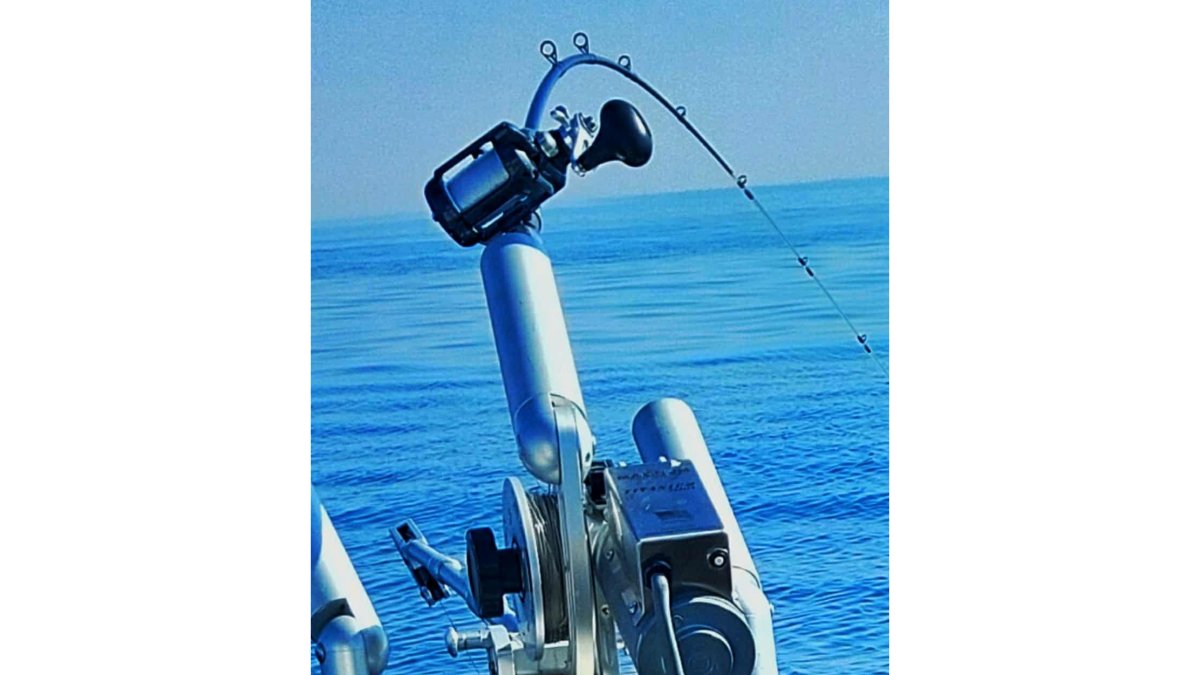
Trolling Combo by Presentation
- Planer boards (in-line or mast): the Manasseh AP7 paired with a line counter reel spooled with 12 to 30 lb braid. The board pulls against the rod tip, so a moderate, forgiving action keeps baits tracking without pulling hooks.
- Dipsy divers: a slightly stiffer 7-foot trolling rod with a line counter reel. Divers load the rod hard, so backbone matters more than sensitivity here.
- Downriggers: the same 7-foot rod class with a line counter reel and braided downrigger line rated for the weight you run. The rod's job is to load against the release and telegraph a strike.
- Flatlining and snap weights: a medium-light 7-foot rod with a line counter reel and a shallow-running crankbait. This is the most forgiving setup for anglers new to trolling.
A common pattern on Lake Erie is to run two planer-board rods, two dipsy rods, and one or two downrigger rods, which is why many crews carry four to six trolling combos rather than one. If you are building a spread, keep rod lengths similar within a presentation so the lines track at consistent angles and tangle less.
Ice Strong Outdoors - Manasseh - AP7 Trolling Rod - Downrigger/Walleye/Small →
Watch out: mixing very different rod actions on the same side of the boat makes it hard to read whether a bait is fouled, because each rod loads differently against its board or diver.
Best for: anglers running planer boards, dipsy divers, or downriggers who want one dependable rod family for most trolling days. Skip if: you mostly cast and jig from shore, since a longer, lighter rod will serve you better there.
Every trolling rod and reel in this section is available at Elliott's Tackle & Rigging, and the staff there can help you match a line counter reel to the rod's line rating before you spool up.
Best Walleye Jigging Rods and the Right Rod Length
Jigging and casting calls for a lighter, more responsive rod. For Lake Erie walleye, a medium to medium-light power rod gives you the feel to detect light bites while still having enough backbone to fight a fish in current.
The Defender Spinning Combo is available in the catalog for jigging and casting. A 6 to 7 foot rod is the common range for vertical jigging and casting near structure.
Best Walleye Jigging Rod Length by Technique
- Vertical jigging from a boat: a shorter rod, roughly 6 to 6.5 feet, gives you better control directly over the jig.
- Casting and retrieving: a longer rod, around 7 feet, adds casting distance and helps you keep a jig working through the strike zone.
- Shore fishing around breakwalls: a 7-foot rod provides use for longer casts into deeper water.
Match the rod to the technique first, then pick the power that suits the line weight you intend to fish. Use a depth-finding transducer to locate walleye and set your trolling depth accurately.
Best Walleye Rod and Reel Combo for the Money
If you want a complete setup without overspending, the Sick Stick Spinning Combo offers real value. It pairs a 7-foot-1 medium-heavy, moderate-fast rod with a reel that uses lightweight components and a 5.2:1 gear ratio. The rod uses SiC guides for accuracy and distance, and it is finished with cushioned foam grips.
The Sick Stick Casting Combo is another budget-minded option, and its reel features a magnetic braking system with external adjustment.
Matching Line, Reel Size and Presentation on Lake Erie
Line and reel size need to match the presentation, not just the species. Light jigging with a small jig calls for a smaller reel spooled with thin line, typically a braided line around 8 to 15 lb, often with a fluorocarbon leader. Heavier trolling with downrigger weights requires a larger, stronger setup, and braided downrigger line rated for that load is the standard choice.
Use these general pairings as a starting point:
| Technique | Rod Type | Reel Size | Line Choice |
|---|---|---|---|
| Vertical jigging | 6 to 6.5 ft spinning | 2000 to 3000 | 8 to 15 lb braid, fluorocarbon leader |
| Casting and retrieving | 7 ft spinning | 2000 to 3000 | 8 to 15 lb braid, fluorocarbon leader |
| Trolling with planer boards | 7 ft trolling rod | Line counter reel | 12 to 30 lb line |
| Trolling with downriggers | 7 ft trolling rod | Line counter reel | Braided downrigger line rated for the load |
Check your rod's line rating before you spool up, because exceeding it reduces control and can lead to failures under load. For downrigger setups, braided downrigger line rated for deep trolling loads is the standard choice.
How Many Combos to Bring and How to Configure a Spread
Most Lake Erie trolling crews run four to six combos, split across presentations. A practical starting spread is two planer-board rods, two dipsy-diver rods, and one or two downrigger rods. Keep the planer-board rods on the outside, the dipsy rods in the middle, and the downrigger rods straight off the stern so lines separate as they trail behind the boat.
Ice Strong Outdoors - Manasseh - AP7 Trolling Rod - Downrigger/Walleye/Small →
- Planer-board lines: longest leads, set farthest from the boat, and use the most forgiving rod action so boards track without diving.
- Dipsy-diver lines: mid-distance, stiffer rods, and a line counter reel so you can repeat the same dive depth.
- Downrigger lines: shortest and deepest, with the rod loaded against the release and a line counter reel to log the weight depth.
- Jigging and casting rods: keep one medium-power spinning combo rigged and ready for when fish stack tight and trolling slows.
A common pattern is to stagger rod lengths within a presentation, for example, a 7-foot and a 7-foot-6-inch planer-board rod on the same side, so the lines fan out instead of running parallel and tangling on turns.
Watch out: running too many lines without staggering lengths and leads is the most common cause of tangles on a turn, and it can cost you a fish and a bait in the same pass.
Season and Boat Position Adjustments
Early-season fish often sit shallower and respond to flatlined crankbaits and short leads, so lighter line and a medium-light rod do more of the work. As the season progresses and fish move deeper, downsizing line diameter on jigging setups and lengthening trolling leads helps baits reach the strike zone.
Before you run a multi-line spread, check current state and local regulations for line counts and gear restrictions, and follow safe boating practices for your vessel. Rules can change by area and season, so confirm them before you launch.
Rods and reels referenced here are available at Elliott's Tackle & Rigging.
Choose Your Walleye Combo and Get It on the Water
Start with the technique you fish most often, then choose a rod length and power that matches it. For trolling, the Ice Strong Outdoors Manasseh AP7 is a dependable choice. For jigging and casting, the Defender Spinning Combo gives you versatility at a fair price, and the Sick Stick Spinning Combo is the right pick when budget comes first.
Browse the selection at Elliott's Tackle & Rigging, and take your time matching line and reel size to the way you plan to fish.
Frequently Asked Questions
What is the best rod and reel combo for walleye fishing?
For many Lake Erie anglers, a 7-foot medium-power spinning combo with a 2500 to 3000 size reel and 10-pound braid is a practical starting point for jigging and casting. If you troll most of the time, a dedicated trolling rod with a mid-size reel and 12 to 30 pound line works better. Choose the combo based on how you fish, not on a single universal pick.
What size rod is best for walleye fishing?
Most walleye anglers do best with a rod between 6 feet 6 inches and 7 feet 3 inches. Shorter rods of about 6 feet 6 inches give better control when jigging close to the boat or working vertically. Longer rods of 7 feet or more help with casting distance and with absorbing the head shakes of a hooked fish when trolling. Match the power to the line weight you plan to use, and pick a medium or medium-light action for sensitivity.
Should I use a spinning or baitcasting reel for walleye trolling?
Trolling setups on Lake Erie typically use a line counter or a baitcasting reel on a dedicated trolling rod, because they handle the heavier line and lower speeds used with planer boards and downriggers. Spinning reels work well for jigging, casting and light trolling with a lighter line. The Ice Strong Outdoors Manasseh AP7 trolling rod is designed for downrigger applications and small planer or walleye boards, so it suits a dedicated trolling setup.
What line should I use for Lake Erie walleye?
Braided line in 10 pound test is a common choice for spinning and jigging setups, paired with a fluorocarbon leader of 6 to 10 pound test. Trolling often calls for heavier line in the 12 to 20 pound range. Braid gives better sensitivity and casting distance, while fluorocarbon is less visible in clear water. Check the line rating printed on each rod, since the listed line weight range on the rod is the safe operating window.

0 comments