

Table of Contents
- Understanding the Five Species of Pacific Salmon
- Best Rivers and Locations in the PNW
- Seasonal Timing and Salmon Runs
- Downrigger Fishing Techniques for Salmon Success
- Best Salmon Fishing Electronics and Navigation
- Salmon Fishing Gear Checklist: Essential Tackle and Equipment
- PNW Salmon Safety Regulations and Legal Requirements
- Sustainable Catch-and-Release Techniques
Last Updated: August 5, 2026
Understanding the Five Species of Pacific Salmon
PNW salmon fishing centers on five distinct species: Chinook, Coho, Sockeye, Pink, and Chum. Each follows different migration patterns, prefers different water conditions, and responds to different techniques. A successful angler learns to identify which species is running when and adjusts their approach accordingly.
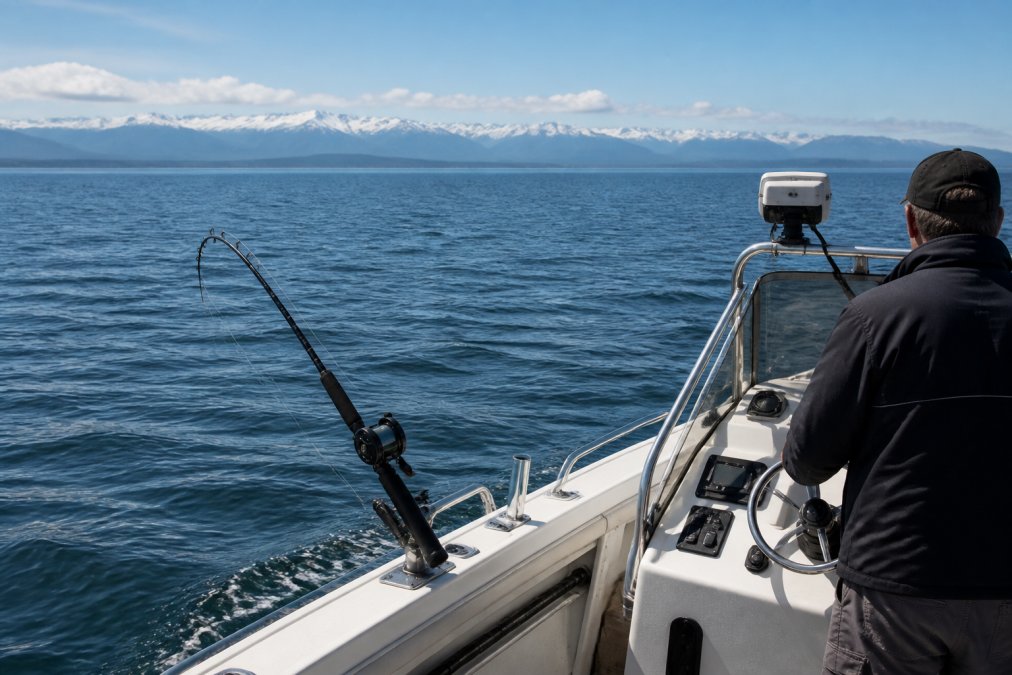
Chinook: The King of PNW Salmon
Chinook salmon are the largest and most prized species in the Pacific Northwest, often exceeding 50 pounds. Spring Chinook arrive in freshwater systems starting in March and April, while fall Chinook peak from August through October. In saltwater environments like Puget Sound, Chinook are present year-round.
What makes Chinook special is their aggressive feeding behavior and powerful runs. They'll hit larger lures and baits, and they fight hard when hooked. Trolling with downriggers in deeper saltwater channels is the most effective method for consistent success.
Coho, Sockeye, Pink, and Chum: Seasonal Targets
Coho salmon typically range from 8-12 pounds and are acrobatic fighters known for jumping when hooked. Coho runs peak from August through October in most PNW waters.
Sockeye salmon are highly specialized feeders that rarely take traditional lures. They're distinguished by metallic blue-green coloring and respond best to small spoons or flies. Sockeye runs are strong in mid to late summer, particularly in river systems connected to spawning grounds.
Pink salmon are smaller fish, typically 3-5 pounds, but abundant and excellent for beginners. Pink runs follow a strict two-year cycle, with odd-numbered years producing strong runs in the Pacific Northwest.
Chum salmon are large, aggressive fish reaching 15 pounds or more. They're excellent fighters and underrated as a sportfish. Chum runs peak in fall and winter, particularly in tidewater and estuary environments.
Best Rivers and Locations in the PNW
The Pacific Northwest offers diverse salmon fishing opportunities across freshwater rivers, tidewater zones, and open saltwater. Your choice of location depends on which species you're targeting and what season you're fishing.
Puget Sound and Tidewater Fishing
Puget Sound is the crown jewel of PNW salmon fishing. This massive saltwater system contains some of the most consistent Chinook and Coho habitat in North America. Tidewater zones, where freshwater rivers meet saltwater, create ideal feeding and resting areas for migrating salmon.
The most productive areas include the San Juan Islands, the Strait of Juan de Fuca, and the main Puget Sound basin from Seattle north to Bellingham. These areas hold Chinook year-round, with peak periods in spring and fall. Coho and Sockeye arrive in summer and fall, creating overlapping seasons where multiple species are available.
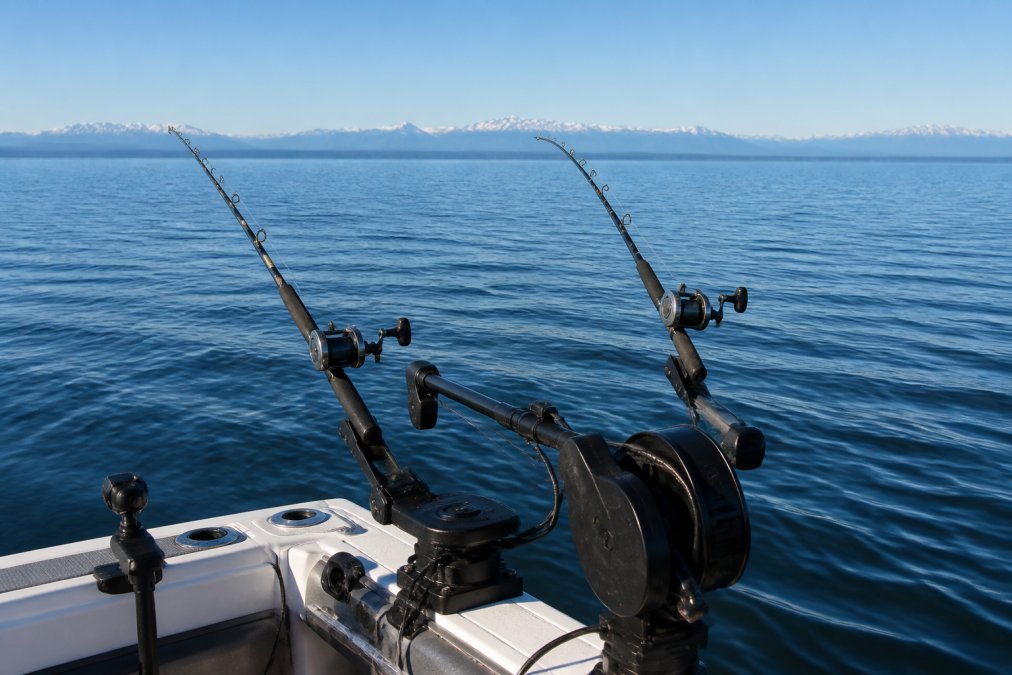
Tidewater fishing requires understanding tide cycles and current patterns. Many anglers fish slack tide periods, the brief windows when tidal current reverses, because salmon are more aggressive feeders during these times. Electronic navigation systems help you identify current breaks and depth transitions where salmon hold.
Columbia River and Freshwater Options
The Columbia River system supports all five Pacific salmon species and offers both boat and shore fishing opportunities. The Columbia River estuary, where the river meets the Pacific Ocean, is particularly productive because it concentrates salmon before they move upriver.
Freshwater tributaries throughout the Pacific Northwest offer excellent Chinook and Coho fishing. The Willamette River (Oregon), the Cowlitz River (Washington), and countless smaller systems provide consistent opportunities. Tidewater areas concentrate salmon and make them accessible to shore-based anglers.
Seasonal Timing and Salmon Runs
Salmon runs follow predictable seasonal patterns, though timing varies slightly by location and year.
Spring Chinook arrive in freshwater systems from March through May. Spring Chinook fishing is excellent in tidewater and lower river sections before the fish move into smaller tributaries.
Summer brings Coho and Sockeye to the Pacific Northwest, peaking from June through August. Summer is the most accessible season because weather is favorable and multiple species are available simultaneously.
Fall Chinook return from August through October, creating the most popular fishing season. Fall runs are typically larger than spring runs, and fish are aggressive feeders preparing for spawning.
Winter fishing is possible in tidewater and saltwater areas. Chum salmon and late-running Coho are available in winter, particularly in coastal rivers and estuaries.
Downrigger Fishing Techniques for Salmon Success
Downrigger fishing is the most effective modern technique for PNW salmon fishing. This method allows you to reach specific depths where salmon hold and maintain precise depth control.
How Downriggers Work in Saltwater and Tidewater
A downrigger is a mechanical or electric device that lowers a weighted cable to a specific depth, pulling your fishing line down with it. When a salmon strikes, the line releases from the downrigger weight, and you fight the fish on your rod with normal drag settings.
Electric downriggers have become the standard for serious anglers because they eliminate manual effort and provide precise depth control. Models like the Cannon Optimum 10 BT Electric Downrigger offer Bluetooth connectivity and automated depth management, allowing you to focus on boat positioning and reading electronics.

The basic setup involves attaching your fishing line to a release mechanism on the downrigger cable. As the cable descends, it pulls your line down to the desired depth. The release holds your line until a fish strikes with enough force to trigger the mechanism, freeing your line so you can fight the fish directly.
Trolling Depth and Speed Optimization
Salmon depth preferences vary by species and season. Chinook often hold 40-120 feet deep in saltwater, while Coho typically stay shallower at 20-60 feet. Understanding these preferences helps you set your downrigger to the productive zone.
Trolling speed affects both lure action and salmon response. Most PNW salmon fishing occurs at 1.5-3 knots, with 2-2.5 knots being the sweet spot for most species and lures. Water temperature is the primary factor determining salmon depth and location. Checking water temperature regularly and adjusting your downrigger depth accordingly increases hook-up rates significantly.
Best Salmon Fishing Electronics and Navigation
Modern electronics transform PNW salmon fishing from guesswork into a data-driven pursuit. GPS, sonar, and fish-finding technology help you locate salmon, understand structure, and navigate safely in challenging tidewater conditions.
Fish finders identify bottom structure, thermoclines (temperature layers), and baitfish concentrations that attract salmon. Dual-frequency sonar shows detail at multiple depths, helping you understand the water column and position your downrigger precisely. GPS mapping shows bathymetry (underwater topography), allowing you to identify depth changes and channels where salmon concentrate.
Integration between your downrigger, sonar, and autopilot creates a cohesive system. The Scotty 1106 Depthpower 60" Telescoping Electric Downrigger pairs seamlessly with modern fish finders, providing automated depth management while you monitor sonar for fish activity.

Scotty 1106 Depthpower 60" Telescoping Electric Downrigger w/Rod Holder & Swivel Mount
Salmon Fishing Gear Checklist: Essential Tackle and Equipment
Success in PNW salmon fishing requires reliable gear matched to the species and conditions you're targeting. The right equipment increases hook-up rates and reduces lost fish.
Rods, Reels, and Line Selection
Medium to medium-heavy rods in the 7-8 foot range are ideal for most PNW salmon fishing. These rods provide sufficient backbone for fighting large Chinook while maintaining sensitivity to detect strikes. Baitcasting reels with smooth drags and high line capacity are standard for trolling applications.
Line selection matters significantly. Braided mainline offers superior sensitivity and strength, while fluorocarbon leaders provide abrasion resistance and low visibility. A typical setup uses 30-50 pound braided mainline with 20-30 pound fluorocarbon leaders, adjusted based on target species and water clarity.
Downrigger cable quality affects reliability and longevity. Stainless steel cable resists corrosion in saltwater environments. The Cannon Magnum 10 Electric Downrigger uses high-quality cable rated for demanding conditions, ensuring consistent performance season after season.
Lures, Bait, and Rigging Essentials
Salmon respond to a variety of presentations. Spoons, metallic lures that flutter and flash, are the most popular choice for trolling. Silver and chartreuse spoons excel in clear water, while darker colors work better in stained water.
Plugs that mimic baitfish movements also produce well, particularly for Coho and Chinook. Live bait and herring strips work exceptionally well in tidewater environments. Herring is the natural forage for Pacific salmon, so presentations that closely mimic live herring produce excellent results.
The Scotty 1101 Depthpower 30" Electric Downrigger includes rod holders that keep your lines organized and ready for immediate deployment.

Scotty 1101 Depthpower 30" Electric Downrigger w/Rod Holder & Swivel Base
Gear Category |
Essential Items |
Purpose |
|---|---|---|
Rods and Reels |
Medium-heavy 7-8ft rods, baitcasters |
Adequate power for Chinook, sensitivity for strikes |
Line |
30-50lb braided mainline, 20-30lb fluorocarbon leader |
Strength, low visibility, abrasion resistance |
Downriggers |
Electric models with cable and release |
Precise depth control, efficient trolling |
Lures |
Spoons, plugs, herring strips |
Match natural forage, trigger aggressive strikes |
Safety |
PFDs, first aid, communication devices |
Legal requirement, emergency preparedness |
PNW Salmon Safety Regulations and Legal Requirements
Understanding and following fishing regulations protects salmon populations and ensures you're fishing legally. The Washington Department of Fish and Wildlife (WDFW) and Oregon Department of Fish and Wildlife manage salmon harvest, and regulations change seasonally based on run strength and conservation needs.
License Requirements and Bag Limits
A valid Washington or Oregon fishing license is required to fish for salmon in PNW waters. Licenses are available for resident and non-resident anglers, with options for daily, three-day, and annual permits. Purchase licenses through WDFW or ODFW websites before heading to the water.
Daily bag limits vary by species, location, and season. Chinook bag limits typically range from 1-2 fish per day, while Coho limits are often 2-4 fish. Size restrictions apply to most species, with minimum size limits ensuring juvenile fish reach spawning maturity before harvest. Check current regulations before each trip.
Barbless Hooks and Catch-and-Release Standards
Barbless hooks are required in many PNW salmon fisheries, particularly in freshwater rivers and certain tidewater zones. Barbless hooks reduce injury to fish you're releasing and comply with conservation-focused regulations.
Catch-and-release fishing requires proper technique to maximize fish survival. Wet your hands before handling fish to protect their protective slime coating. Keep fish in water as much as possible, and minimize air exposure. Circle hooks, which hook fish in the corner of the mouth rather than deep in the throat, reduce injury and improve survival rates.
Sustainable Catch-and-Release Techniques
Sustainable fishing practices ensure PNW salmon populations remain healthy for future generations. Selective harvest, keeping only the fish you'll eat and releasing the rest, reduces pressure on vulnerable populations. Hatchery-origin fish, identifiable by clipped adipose fins, can be kept without impacting wild populations.
Handling techniques directly affect fish survival rates. Barbless hooks reduce mouth injury. Wet hands protect the fish's protective coating. Minimizing air exposure prevents stress and injury. Quick, decisive handling followed by immediate release ensures the fish has the best chance of recovery.
Understanding salmon biology improves your catch-and-release effectiveness. Spawning salmon become increasingly stressed as they move upriver. Releasing spawning-phase fish in good condition gives them the best chance of reaching spawning grounds and successfully reproducing.
At Elliott's Tackle & Rigging, we believe sustainable practices and conservation are inseparable from quality fishing. The gear you choose, reliable downriggers, proper terminals, and well-maintained equipment, supports ethical fishing by reducing lost fish and minimizing damage during catch-and-release. Our captain-curated selection prioritizes equipment that performs consistently and handles fish responsibly.
PNW salmon fishing combines technical skill, understanding of fish behavior, and respect for the resource. Whether you're targeting trophy Chinook in Puget Sound or learning on Pink salmon in a coastal estuary, the fundamentals remain constant: match your gear to the species and conditions, understand seasonal patterns and regulations, and fish responsibly. Start with quality equipment from Elliott's Tackle & Rigging, where every product is hand-selected by an experienced captain who refuses to sell anything they wouldn't run on their own boat. Your success on the water starts with gear you can trust.
Frequently Asked Questions
What month is best for salmon fishing in the PNW?
Timing varies by species and location. Chinook runs peak in spring and early summer (May-July) in Puget Sound, while Coho fishing is strongest in fall (August-October). Sockeye runs are typically summer-focused. Check current run timing through WDFW reports for your specific river or tidewater area, as migration patterns shift based on water temperature and seasonal conditions.
How do downriggers improve salmon fishing success?
Downriggers let you reach precise depths where salmon hold, especially in tidewater and estuaries. Electric downriggers like the Cannon Optimum 10 BT and Scotty 1106 give you exact depth control and consistent trolling presentation. By placing your lure at the thermocline where salmon congregate, you significantly increase strike rates compared to surface or shallow trolling methods.
What gear do I need for saltwater salmon fishing in the PNW?
Essential salmon fishing gear includes a medium-heavy rod rated for saltwater, a quality reel with 200+ yards of capacity, 20-30 lb braided line, downrigger equipment, lures (spoons, plugs), and terminal tackle. Modern salmon fishing electronics with GPS and fish-finding capability improve success. Elliott's Tackle & Rigging offers captain-curated selections of downriggers, electronics, and safety gear specifically chosen for PNW saltwater conditions.
What are the current PNW salmon safety regulations I need to follow?
Washington Department of Fish and Wildlife (WDFW) sets daily bag limits, size restrictions, and species-specific rules that change seasonally. Most areas require barbless hooks for catch-and-release. Chinook typically have stricter limits than Coho or Pink salmon. Always check current WDFW regulations before fishing—limits vary by location (Puget Sound, Columbia River, coastal areas) and change throughout the year based on run strength.
0 comments