

Last Updated: October 30, 2026
Quick Summary
Successful salmon trolling on Lake Michigan depends on three things working together: trolling speed, depth and presentation. Run slow and adjust in small steps, place your baits in the strike zone where the fish are holding, and choose flashers and lures that rotate and look right at that speed.
- Start slow and adjust speed in small steps, watching flasher rotation and rod tips.
- Fish the depth where recent strikes cluster, following fish-finder readings and temperature.
- Mount downriggers securely and test the release and depth counter before you start.
- Vary line depth and distance behind the boat so your baits cover different water.
- Test each flasher and lure combination at your planned speed before committing a full spread.
Table of Contents
- Why Speed, Depth and Presentation Decide Your Lake Michigan Salmon Catch
- Finding the Best Trolling Speed for Salmon on Lake Michigan
- Lake Michigan Salmon Trolling Depth by Season and Water Temperature
- Downrigger Setup for Salmon Trolling
- Building a Lake Michigan Trolling Spread Setup
- Choosing Flashers, Spoons and Lures for Presentation
- Reading Your Speed and Depth on the Water
- Gear Checklist and Where to Source It Next
- Frequently Asked Questions
Why Speed, Depth and Presentation Decide Your Lake Michigan Salmon Catch
Most salmon trollers on Lake Michigan lose fish because of one of three things: they run too fast, they fish the wrong depth, or their presentation looks nothing like what the salmon are chasing. Speed, depth and presentation work together, and getting one right while ignoring the others rarely produces consistent catches. Every trip starts with the same question: where are the fish, and what will they actually bite today?
Depth matters so much on Lake Michigan because the same lake can hold fish at very different levels from one week to the next. Your job is to find the strike zone and then hold your bait inside it.
Think of this guide as a working checklist. We cover speed first, then depth by season, then the rigging that puts your lure where the fish are, and finish with the gear you need to do it.
Finding the Best Trolling Speed for Salmon on Lake Michigan
Trolling speed is the most overlooked variable on the water. Many anglers set a comfortable cruising speed on their engine and never adjust it, which is a mistake. Salmon respond to how your lure moves, and a spoon or flasher that wobbles correctly at one speed can look dead at another.
A practical starting point is to run slow and adjust up in small steps. Watch your rod tips, check how your flashers are rotating, and listen for the sound of your gear. If your flasher is spinning erratically, you are probably going too fast or too slow for that component. Keep notes on what worked each day, because the best speed often shifts with water temperature and wind.
Pay attention to the surface too. Wind-driven chop changes how a boat tracks and how your lines sit in the water, so what felt right in calm conditions may need adjusting when the lake gets lively.
Lake Michigan Salmon Trolling Depth by Season and Water Temperature
Depth follows temperature. As the lake warms in late spring and cools in fall, the thermocline and the baitfish move, and salmon follow them. The practical approach is to check your sonar and temperature readings, locate the bait, and set your presentation just above or within the zone where the fish are holding.
Fish-finder readings and recent reports should drive your decisions more than any fixed number. If the boat anglers in your area are catching fish in the top 25 feet, there is little reason to fish 80 feet down. If the fish have moved deeper, follow them. Don't assume a depth that worked last month still works today.
Keep an eye on where you hook fish during a trip, too. If strikes cluster at one depth, adjust your gear to stay there. Hitting the same depth repeatedly is more productive than wandering the water column.
Ice Strong Outdoors - Krunch Meat Rigs →
Downrigger Setup for Salmon Trolling
Downriggers let you place a bait at an exact depth regardless of how deep the water is, which makes them central to Lake Michigan salmon fishing. The setup is straightforward but has details that matter.
Mount the downrigger base securely to the boat, ideally on the gunwale near the rod holders you plan to use. Set the boom so the weight clears the boat and the cable runs cleanly to the water. Use a release on the cable so a strike frees the line from the weight. Before you start, test the release and confirm your depth counter reads correctly.
If you fish several lines, decide whether you want manual or electric control. A manual downrigger is simpler and less expensive, and it works well on smaller boats. An electric unit gives you hands-off depth control and lets you make precise adjustments without leaving the rod, which pays off when you are working deeper water or managing multiple lines.
Our picks for this setup:
- Cannon Uni-Troll 10 Manual Downrigger ($399.99): a 2:1 retrieval ratio, one-hand clutch deploy, and a three-digit depth counter. It is a practical choice for smaller boats targeting salmon: https://www.elliottstackleandrigging.com/products/cannon-uni-troll-10-manual-downrigger-1901130
- Cannon Optimum 10 BT Electric Downrigger ($1,699.99): Bluetooth connectivity, preset depths, bottom tracking and depth cycling, for anglers who want hands-off control. Pair it with the Fish Hawk X4D System (sold separately) for running depth and speed data at the weight: https://www.elliottstackleandrigging.com/products/cannon-optimum-10-bt-electric-downrigger-1902335
[PRODUCT: Cannon Uni-Troll 10 Manual Downrigger | https://www.elliottstackleandrigging.com/products/cannon-uni-troll-10-manual-downrigger-1901130]


Building a Lake Michigan Trolling Spread Setup
A spread is the arrangement of your lines across the water, and it determines how many presentations you cover on each pass. A good spread places different baits at different depths and distances behind the boat, so you learn quickly what the fish want.
Start with your downrigger lines at the depth you have chosen, then add flat lines or planer-board lines at other levels. Vary the distance behind the boat so your baits do not all track through the same water. Keep lines separated enough that they do not tangle when you turn or when a fish runs across the spread.
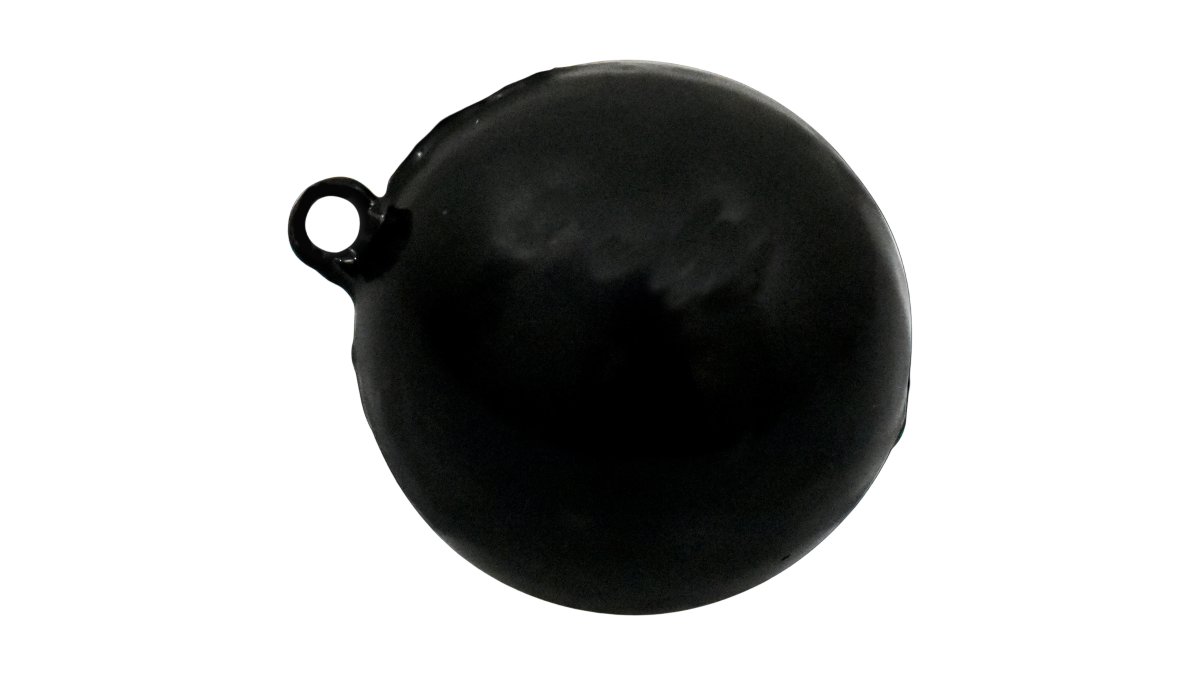
Weight is the other half of the spread. Cannonball sinkers hold a line straight down and resist snagging, which is why many anglers use them with downriggers and bottom rigs. Our 2-pound lead Cannonball weights are handmade in the USA and come in several vinyl coatings that protect your deck: https://www.elliottstackleandrigging.com/products/salmon-cannonball-weights-2lb-lead-downrigger-sinkers
Two anglers working one side of the boat can deploy a flasher and cannonball rig together off the stern rail, as shown below.
Choosing Flashers, Spoons and Lures for Presentation
Presentation is where speed and depth meet the fish. A flasher creates flash and rotation that draws salmon in, and the lure behind it provides the final look. Pick components that match the speed you are running and the light you are fishing.
Flashers should rotate reliably at the speed you plan to troll. The Luhr-Jensen Money Roll Flasher is built for quick-start, thumping rotation and is effective down to about 1 mph. Its UV Bright finish reflects extra light underwater, and the Everglo finish option helps in low light and deep water: https://www.elliottstackleandrigging.com/products/luhr-jensen-money-roll-flasher-11-chrome-ladder-5860-011-1752
For a complete rig, Ice Strong Outdoors Krunch Meat Rigs ($20.49) are a 48-inch rig with a 50-pound fluorocarbon leader, size 1/0 VMC hooks and UV beads, designed to trigger strikes from king salmon and lake trout: https://www.elliottstackleandrigging.com/products/ice-strong-outdoors-krunch-meat-rigs
Ice Strong Outdoors - Krunch Meat Rigs →

Watch out: a flasher that spins fine at your cruising speed can stall or foul when you slow down to fish deeper. Test each combination before you commit a whole spread to it.
The table below sums up the presentation components the article recommends, using only the details it states.
| Component | Key detail | Note |
|---|---|---|
| Luhr-Jensen Money Roll Flasher | Quick-start, thumping rotation | Effective down to about 1 mph |
| Money Roll UV Bright finish | Reflects extra light underwater | Everglo option for low light and deep water |
| Ice Strong Outdoors Krunch Meat Rig | 48-inch rig, 50-pound fluorocarbon leader | Size 1/0 VMC hooks and UV beads |
| Ice Strong Krunch Meat Rig price | $20.49 | Designed for king salmon and lake trout |
| Flasher and lure setup | Must rotate at your planned speed | Test before committing a whole spread |
Reading Your Speed and Depth on the Water
Once your spread is in the water, the job becomes reading the results. Check your rod tips for bites, watch your downrigger counters to confirm depth, and note where fish come on. If nothing happens for 20 minutes, change one variable at a time: speed first, then depth, then the lure.
Keep a simple log of speed, depth, temperature and what you caught. Over a season, that log becomes more useful than any generic chart, because it reflects your water, your boat and your gear. Re-check your sonar regularly, since baitfish and fish move quickly.
Most anglers who struggle are not short on gear. They are reacting too slowly to what the water is telling them.
Gear Checklist and Where to Source It Next
Before your next trip, confirm you have the core components covered:
- Downrigger with a working release and tested depth counter
- Manual or electric control matched to your boat and fishing style
- Flashers with rotation checked at your planned speeds
- Lures or meat rigs with fresh hooks and leaders
- Cannonball or downrigger weights in the sizes you need
- Spare release, extra clips and a sharpening stone
Our captain-curated selection is chosen for serious Great Lakes salmon fishing. Browse the full range of downriggers, flashers, rigs and weights at https://www.elliottstackleandrigging.com/ and get your spread ready before the next run.
Frequently Asked Questions
What is the best trolling speed for salmon on Lake Michigan?
Most Lake Michigan salmon trolling happens between roughly 1.5 and 3 miles per hour, with many anglers starting near 2 mph and adjusting in small steps. Watch your rod tip and lure action rather than relying on the speed indicator alone, and change speed gradually so you can see which setting triggers strikes.
How deep should you troll for salmon on Lake Michigan?
Depth depends on season, water temperature and where fish are holding, so there is no single number that works every day. Use your fish finder to locate the thermocline and bait, then place your presentation at or just above the depth where fish are showing.
How do you set up a trolling spread for Lake Michigan salmon?
A typical spread uses a mix of downrigger lines and flatlines or planer boards at different distances behind the boat, so each rig fishes a slightly different depth and lane. Stagger the lines so they do not tangle at turns, and keep lure colors and sizes varied across the spread. Mark your downrigger cable depths and rod positions so you can quickly reproduce a productive setup when you find fish.
What gear do you need to troll for salmon on Lake Michigan?
At minimum you need trolling rods and reels spooled with appropriate line, a downrigger or two, weights such as 2 lb cannonball sinkers, flashers or spoons, leaders, and a reliable depth finder. Elliott's Tackle and Rigging carries the Cannon Uni-Troll 10 Manual Downrigger at $399.99 and the Cannon Optimum 10 BT Electric Downrigger at $1,699.99, and the Luhr-Jensen 11-inch Money Roll Flasher at $23.99.

0 comments