

Table of Contents
- What NMEA 2026 Changes and Why It Matters
- NMEA 2000 vs. NMEA 2026: Key Differences
- Is NMEA 2026 Worth the Upgrade for Your Boat?
- Best Marine GPS for Fishing: What the New Standard Means
- NMEA 2000 Network Troubleshooting: Common Upgrade Pitfalls
- The Verdict: Who Should Upgrade and Who Should Wait
- Conclusion
- Frequently Asked Questions
Last Updated: September 7, 2026
What NMEA 2026 Changes and Why It Matters
Whether is NMEA 2026 worth the upgrade depends entirely on what you run on your helm. NMEA 2026 is the next-generation marine electronics standard designed to address the bandwidth and data communication limits of the aging NMEA 2000 protocol. At Elliott's Tackle & Rigging, we've watched the industry push more data through networks than the old standard was ever designed to handle.

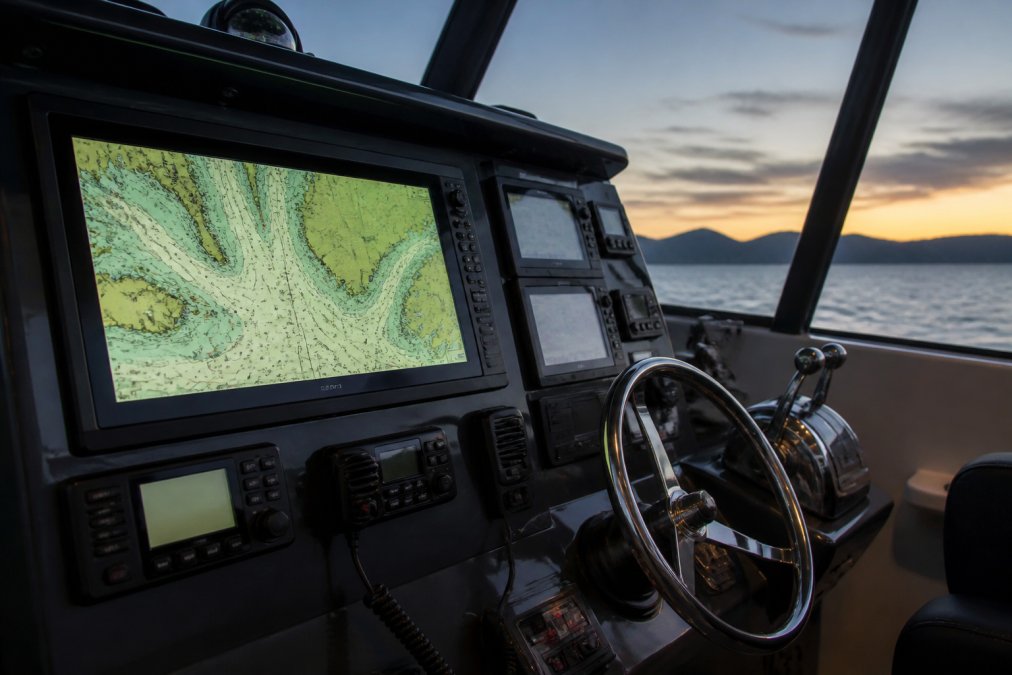
The core change is a dramatic increase in data throughput, because modern gear from high-definition sonar to digital switching generates far more data than the legacy system can carry. The new standard opens the door for faster sensor calibration, richer instrumentation, and more reliable interoperability between manufacturers. That said, the physical cables and connectors are different, which is the single biggest practical hurdle for anyone considering the move.
NMEA 2000 vs. NMEA 2026: Key Differences
The single biggest source of confusion we hear at the shop is mixing up the NMEA organization with the NMEA 2000 technical standard. NMEA 2026 refers to the next-generation marine networking protocol that the National Marine Electronics Association has been developing to replace the aging NMEA 2000 backbone. It is not a firmware patch.

The Physical Layer Is the Real Story
NMEA 2000 runs on a Controller Area Network (CAN) bus at a raw data rate of 250 kilobits per second (nmea.org). That was plenty in the early 2000s when a typical helm shared depth, speed, and wind data. A single forward-facing sonar transducer can generate more data in one ping than an entire NMEA 2000 network can carry in a second. High-definition side-imaging, live sonar, multiple large chartplotters, and digital switching systems all compete for that same 250 kbps pipe, which is why you see lag, dropped data, and intermittent device failures on newer boats.
NMEA 2026 moves to a fundamentally different architecture built around Ethernet-based communication, supporting data rates measured in megabits per second, several orders of magnitude higher than the CAN bus. That is the difference between a two-lane country road and an interstate highway. The new standard also changes how devices discover each other.
What Actually Changes on Your Boat
The practical implications are straightforward. First, the connectors are different. NMEA 2000 uses the familiar five-pin mini-connector (DeviceNet Micro-C style) (odva.org). NMEA 2026 uses a new physical connector designed for higher-speed Ethernet signaling. You cannot plug an NMEA 2000 device into an NMEA 2026 backbone without a gateway, and those gateways are not universally available yet.
Second, the backbone cable itself is different. NMEA 2000 uses a thin, shielded twisted-pair cable. NMEA 2026 requires higher-grade Ethernet cabling with better shielding to handle the increased frequencies. That means a full re-cable of your boat, not just swapping ends.
Third, power delivery is handled differently. NMEA 2000 provides 12-volt power over the same cable that carries data, which is why a properly fused backbone is critical. NMEA 2026 separates data and power more cleanly.
A Side-by-Side That Matters
Feature |
NMEA 2000 |
NMEA 2026 |
|---|---|---|
Data Rate |
250 kbps (shared) |
Megabit-range (Ethernet-based) |
Cable Type |
Thin twisted-pair, 5-pin mini |
Higher-grade Ethernet, new connector |
Device Addressing |
Manual or limited auto-config |
Improved auto-discovery |
Power Over Network |
Yes, same cable |
Separated data and power paths |
Backward Compatibility |
N/A |
Requires gateway or full re-cable |
Best For |
Legacy sensors, basic depth/speed/temp |
Live sonar, multi-display, digital switching |
For the practical angler: if you are running a single chartplotter and a basic transducer, NMEA 2000 is not your bottleneck. If you are running live sonar, multiple displays, and integrated trolling motor control, you have likely already felt the limits. The new standard solves those limits, but only if you are willing to re-cable the backbone.
Is NMEA 2026 Worth the Upgrade for Your Boat?
The short answer is that is NMEA 2026 worth the upgrade only when your current network is the bottleneck. If you are still running a single chartplotter and a basic transducer, the answer is almost certainly no. The cost of new backbone cabling, terminators, and potential adapter kits is hard to justify when your existing gear performs flawlessly.
The upgrade makes sense in a few specific scenarios. Boats running multiple high-definition displays, forward-facing sonar, and integrated digital switching are the prime candidates, since these systems push data faster than NMEA 2000 can reliably carry. For a serious offshore setup, the new standard offers improved system reliability.
If you are building a new boat or completely rewiring an old one, the upgrade path is clear. For everyone else, wait until you replace a major component. When you do make the move, the Garmin NMEA 2000 Starter Kit is an excellent foundation for a reliable network, giving you the backbone cable, drop cables, and terminators needed to integrate your chartplotters and sensors cleanly.
Best Marine GPS for Fishing: What the New Standard Means
When anglers ask us about the best marine GPS for fishing, the conversation now includes future-proofing. The new standard does not change how a GPS works, but it does change how much data it can share with the rest of your network. A modern GPS unit is no longer just a mapping tool; it is the central hub for your entire onboard electronics system.
For Pacific Northwest salmon trollers, Great Lakes walleye hunters, and Gulf of America bottom fishermen alike, the practical benefit is faster chart redraws and smoother integration with downriggers and trolling motors. The new standard allows your GPS to communicate with more devices simultaneously without the data collisions that plague older networks.
For a dual-unit setup from a single brand, the Humminbird NMEA 2000 Starter Kit - Dual Unit simplifies the installation, providing the power cable, terminators, and drop cables to get two control heads sharing data on one backbone. If you are running a Raymarine system, the Raymarine SeaTalkng Starter Kit offers a rugged, marine-grade connection system that is fully compatible with the NMEA 2000 architecture.

NMEA 2000 Network Troubleshooting: Common Upgrade Pitfalls
Whether you upgrade to NMEA 2026 now or stick with NMEA 2000 for another few seasons, the most common failures we see are not device failures, they are installation failures. The same mistakes that plague a legacy network will carry over to a new one if you do not fix them first. Here is what we see most often on boats from the Pacific Northwest to the Great Lakes, the East Coast, and the Gulf of America.
Pitfall 1: Missing or Incorrect Termination
The backbone of any NMEA 2000 network must be terminated at both physical ends with a 120-ohm resistor. This is not a suggestion; it is the electrical requirement for the CAN bus to function. A missing terminator causes reflections on the wire, manifesting as intermittent device dropouts, garbled data, or a network that only works when the engine is off.
Pitfall 2: Drop Cables That Are Too Long
NMEA 2000 specifications limit drop cable length to six meters (about 20 feet) per drop (actisense.com). Exceeding that length degrades the signal and can cause devices to fall off the network randomly. This is common on larger boats where installers run a long drop to reach a sensor in the bilge instead of moving the backbone closer. The fix is always the same: relocate the backbone or add a powered network segment.
Pitfall 3: Daisy-Chaining Instead of Using a Backbone
The NMEA 2000 topology is a backbone with drop cables, not a daisy chain of devices. It is common to see boats where someone connected device A to device B to device C in a line. That is not a valid NMEA 2000 network. It creates a single point of failure and violates the termination rules. The correct approach is a backbone cable with T-connectors, where each device connects via a short drop.
Pitfall 4: Undersized or Poor-Quality Cabling
Not all cable is created equal. The backbone must be marine-grade, tinned, and properly shielded. Using automotive-grade cable or undersized wire for power injection leads to voltage drop, which causes devices to reset or fail intermittently. If you are building a new backbone, use quality components from the start. The Garmin NMEA 2000 Starter Kit includes the backbone cable, drop cables, and terminators you need to do it right the first time.
How This Connects to the NMEA 2026 Upgrade Decision
If your current NMEA 2000 network is flaky, an upgrade to NMEA 2026 will not fix it. The new standard uses different cabling and connectors, but the installation principles, proper termination, clean power, short drops, and a real backbone, are the same. If you have sloppy installation practices now, you will carry those problems into the new standard.
Before you spend money on new electronics, spend a weekend verifying your existing network. Check both terminators, measure your drop cable lengths, and inspect every connection for corrosion. A clean, well-supported NMEA 2000 backbone is the best foundation for a future NMEA 2026 upgrade. If you are expanding your current network, the Garmin NMEA 2000 Multi-Port T-Connector reduces stress on the backbone and gives you a clean branching point. For simpler additions, the standard Garmin NMEA 2000 T Connector is a reliable, low-profile choice.
The Verdict: Who Should Upgrade and Who Should Wait
After breaking down the protocol specifications and upgrade paths, the verdict on whether is NMEA 2026 worth the upgrade comes down to your current setup and your fishing style. For the majority of recreational anglers running a single display and a few sensors, the answer is to wait. The existing standard handles depth, speed, and temperature data flawlessly, and the cost of a full re-cable is not justified by the marginal gains.
The upgrade is worth it for the serious angler running a fully integrated helm. If you are running multiple large displays, forward-facing sonar, and digital switching, the increased bandwidth and improved system reliability of the new standard will solve real problems you are experiencing.
A practical middle path exists for many boaters: upgrade your network backbone components to high-quality parts now, and buy new electronics as your old units fail. This spreads the cost over several seasons and ensures you are not throwing away working gear.
Conclusion
Choosing whether to upgrade your marine electronics network is a decision about timing, budget, and how hard you push your gear. The new standard brings real improvements in bandwidth and vessel integration, but the legacy system still serves most anglers well. Plan your upgrade around the natural replacement cycle of your electronics, not the latest spec sheet.
At Elliott's Tackle & Rigging, we carry the starter kits, connectors, and cabling you need to build a reliable network, whether you are sticking with NMEA 2000 or preparing for the future. Every product is hand-selected by a captain with forty years of experience, ensuring that only reliable, field-tested equipment makes it onto your boat. Experience the peace of mind that comes with gear chosen by a seasoned expert who refuses to sell anything they wouldn't use themselves. Search
Frequently Asked Questions
Is NMEA 2000 still the industry standard for marine electronics?
Yes, NMEA 2000 remains the current, widely supported industry standard for marine electronics in 2026. While NMEA 2026 is the newly ratified protocol specification, it will take several years for manufacturers to release compatible products and for the installed base to transition. For most anglers, NMEA 2000 will continue to serve their needs reliably for the foreseeable future.
Do I need to replace my existing marine backbone for the new standard?
No, you will not need to replace your existing backbone immediately. NMEA 2026 is designed to be backward compatible with the NMEA 2000 physical cabling and connector standard. However, to take advantage of the higher data bandwidth and new features, you will need new NMEA 2026-certified devices, which will likely include upgraded network components like the Garmin NMEA 2000 Multi-Port T-Connector for cleaner installations.
What is the difference between NMEA 2000 and NMEA 0183?
NMEA 0183 is an older, slower standard that transmits data in one direction at a time over a single wire, typically at 4800 baud. NMEA 2000 is a modern, digital network that allows many devices to share data (like GPS, depth, and engine data) simultaneously over a single backbone cable. NMEA 2000 supports much higher bandwidth and true plug-and-play interoperability, making it the foundation for today's marine electronics.
How does NMEA 2026 improve data transmission on fishing vessels?
NMEA 2026 dramatically increases the available bandwidth on the marine network, allowing for faster and more detailed data sharing between sensors, displays, and autopilots. This supports richer sonar data, higher-resolution charts, and more complex system integration. For anglers, this means less lag between a fish arch on the sonar and the GPS plotter, and more seamless sharing of waypoints and tracks across multiple screens.
What is the ROI for upgrading to NMEA 2026 marine electronics?
The ROI depends on your current system and fishing style. If you are running a reliable NMEA 2000 network and your current gear meets your needs, the ROI is low. The upgrade makes financial sense when you are already planning to buy a new best marine GPS for fishing or add sensors, as future-proofing now prevents a costly double upgrade. For serious offshore anglers needing to share high-bandwidth data across multiple stations, the ROI is clearer.
0 comments