

Table of Contents
- What Makes a Great Lakes Salmon Combo Work
- Quick Comparison: Best Rod & Reel Combos for Great Lakes Salmon
- Salmon Rod Power and Action: Matching Gear to Species
- Downrigger Rod and Reel Combo Picks for Deep Trolling
- Line Counter Reel for Salmon: Why Precision Matters
- Planer Board Rod Setup: Gear for Spreading Lines
- Spinning Combos for River and Pier Fishing
- Line, Leader, and Backing: Rigging Your Combo
- Frequently Asked Questions
Last Updated: October 13, 2026
What Makes a Great Lakes Salmon Combo Work
The best rod and reel combos for Great Lakes salmon need three things: backbone to drive a hook into a king's jaw, a smooth drag under a long run, and line capacity that survives a deep trolling pass.

At Elliott's Tackle & Rigging, we've observed a common issue: anglers often use combos rated for smaller fish, leading to equipment failure when they hook a large Chinook.
This guide breaks down combos by how you actually fish: downrigger trolling, line-counter setups, planer board spreads, and spinning gear for river and pier work, and which specs matter for each.
Quick Comparison: Best Rod & Reel Combos for Great Lakes Salmon
Here's the short version: start with the casting combos below and match the rod's line rating to your target species.
| Combo | Price | Rod Specs | Reel Specs | Best For |
|---|---|---|---|---|
| Sick Stick Casting Combo | $149.99 | 7'2" MH, Fast, 12-20 lb | 7.0:1, 8SS+1RB, 10/215 | All-around casting |
| Defender Casting Combo | $159.99 | 7'3" Ex. Heavy, Extra Fast, 14-30 lb | 6.4:1, 5BB+1RB, 10/175 | Big kings, heavy water |
| White Bird Casting Combo | $129.99 | 7'2" Heavy, Fast, 14-25 lb | 6.4:1, 5BB+1RB, 10/175 | Value trolling and casting |
| Sick Stick Spinning Combo | $129.99 | 7'1" MH, Mod. Fast, 8-14 lb | 5.2:1, 5BB+1RB | River and pier |
| Defender Spinning Combo | $149.99 | 7'0" MH, Fast, 6-14 lb | 5.2:1, 4BB+1RB, 10/175 | Shore and light river |
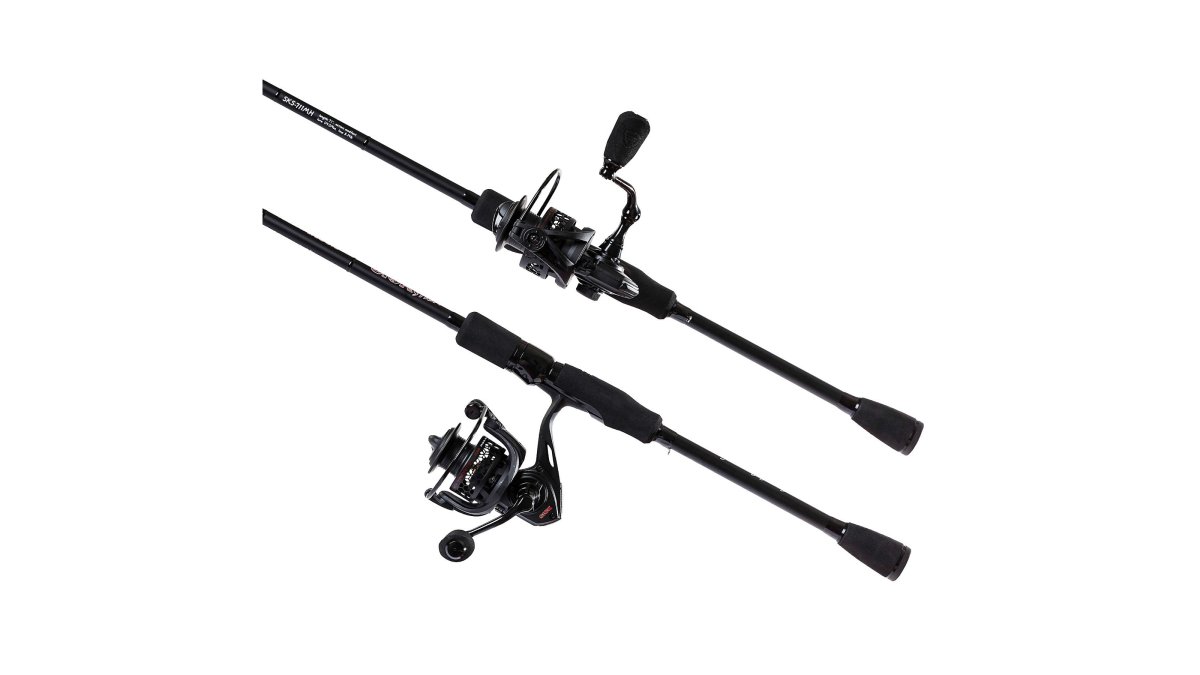
The table can't show you this: a combo with the right specs can perform better than a more expensive combo with unsuitable specs.


Salmon Rod Power and Action: Matching Gear to Species
Rod power describes how much weight it takes to bend the rod; rod action describes where along the blank that bend happens.
For Great Lakes salmon, that distinction decides whether you land fish or lose them at the net. Here's how the specs line up:
| Method | Rod Length | Power | Action | Line Rating | Reel Size / Drag | Target Species |
|---|---|---|---|---|---|---|
| Downrigger trolling | 7'6"-9' | Heavy to Extra Heavy | Moderate to Moderate Fast | 14-30 lb | 10/175 capacity, 15-19 lb drag | Chinook, coho |
| Line counter trolling | 7'6"-8'6" | Medium Heavy to Heavy | Moderate Fast | 12-25 lb | 10/215 capacity, 15+ lb drag | Chinook, coho, steelhead |
| Planer board | 7'6"-9' | Heavy | Moderate Fast | 12-20 lb | 10/175 capacity, smooth drag | Chinook, coho |
| River spinning | 7'-7'6" | Medium Heavy | Moderate Fast | 8-14 lb | 5.2:1, 10/175 capacity | Steelhead, coho, Chinook |
| Pier / shore casting | 7'-8' | Medium Heavy to Heavy | Fast | 10-20 lb | 5.2:1, 10/175 capacity | Chinook, coho |
Chinook, Coho, and Steelhead: Power Differences That Matter
Chinook, or king salmon, are why most anglers step up to heavy power.
Coho are the opposite problem: acrobatic and fast, and a rod that's too stiff tears hooks out of soft mouths.
Steelhead sit between the two: they fight hard in current but rarely make a drag-melting king run. A medium heavy rod in the 8-14 lb line class handles most steelhead water.
Seasonal Shifts That Change Your Setup
Gear needs shift with the season, not just the species. In early spring, when fish are deep and sluggish, downrigger and line counter setups with heavier line and longer rods dominate.
In fall, river runs bring Chinook and coho into current, and spinning gear with a moderate fast action shines for casting spoons and spinners. Steelhead follow in late fall and winter, and a medium heavy spinning combo rated 8-14 lb covers most of that water.
Downrigger Rod and Reel Combo Picks for Deep Trolling
Downrigger rods run longer than casting rods, usually 7 to 9 feet, and load progressively so the blank stays bent while trolling, that bend telegraphs a strike and keeps tension during the release snap.
For deep trolling, the Defender Casting Combo is our pick. The 7'3" extra heavy, extra fast rod carries a 14-30 lb line rating.
Michigan Department of Natural Resources fishing regulations
Where most buyers go wrong: matching a heavy rod to a small reel. The rod handles the fish, the reel can't, and the drag heats up and locks.
Line Counter Reel for Salmon: Why Precision Matters
A line counter reel for salmon fishing tells you exactly how much line is off the spool, which tells you exactly how deep your lure is running. Without one, you're guessing.
When fish are suspended at 45 feet and you're trolling at 60, you're fishing empty water. Precision is the whole game in the Great Lakes, where salmon hold in tight depth bands around temperature breaks.
Line counters matter most when:
- You're running multiple rods at different depths
- You're repeating a productive pass and need the same number twice
- You're fishing suspended fish that move up and down through the day
- You're trolling with copper or weighted line where depth math gets complicated
The 600CTS Round Baitcaster Rod and Reel Combo pairs a 7'6" composite blank with a 5.3:1 baitcaster and a 19 lb carbon drag.
KastKing Spartacus Defender Twin-Tip Baitcaster Rod and Reel Combo →
Planer Board Rod Setup: Gear for Spreading Lines
A planer board rod setup spreads your lines out and away from the boat, letting you run more rods without tangles and cover more water. The rod needs a soft enough tip to load against the board's pull without dragging the board under.
Two things to get right:
- Tip softness: too stiff and the board dives or releases early
- Backbone: enough to haul a board in and still fight a fish on the same rod
The Absolute Casting Combo in the 7'6" heavy configuration carries a 12-20 lb line rating and a moderate fast action, which loads smoothly against board tension. The reel's adjustable braking system and corrosion-resistant frame suit the long, wet days board fishing involves. It runs $139.99.
Spinning Combos for River and Pier Fishing
Spinning gear is the right call when you're casting to fish rather than trolling past them.
The Sick Stick Spinning Combo is our value pick at $129.99.
For heavier river water or pier fishing where bigger fish are possible, the Defender Spinning Combo steps up.
One note on pier fishing: the extra height means you're often fighting fish straight up.
Line, Leader, and Backing: Rigging Your Combo
Line choice ties the whole setup together, and it's where a lot of anglers quietly lose fish. Staying inside the rod's line rating matters more than any brand preference, but the right line also depends on your method, target species, and whether you're trolling, casting, or jigging.
Here's how to build a fish-ready setup by method:
| Method | Main Line | Backing | Leader | Lure Compatibility |
|---|---|---|---|---|
| Downrigger trolling | 15-20 lb monofilament or braid | Not typically needed on levelwind | 20-30 lb fluorocarbon | Flashers, meat rigs, spoons |
| Line counter trolling | 12-17 lb monofilament | Not typically needed | 15-20 lb fluorocarbon | Spoons, plugs, flasher-fly |
| Planer board | 12-17 lb monofilament | Not typically needed | 15-20 lb fluorocarbon | Spoons, stickbaits |
| River spinning | 8-12 lb monofilament or braid | 10-15 lb braid or mono | 8-12 lb fluorocarbon | Spoons, spinners, jigs |
| Pier / shore casting | 10-15 lb monofilament or braid | 10-15 lb braid or mono | 10-15 lb fluorocarbon | Spoons, spinners, cut bait |
Matching Line to Rod and Reel
- Main line: match the rod's mid-range rating. A 12-20 lb rod fishes best around 15 lb. For a 14-30 lb rod, 20 lb is a good starting point.
- Backing: use it on spinning reels to fill the spool so line comes off smoothly. Low spool fill causes casting friction and reduced distance. Fill to about an eighth of an inch below the lip.
- Leader: fluorocarbon in the 10-20 lb range for clear water and pressured fish. In stained water, step down to 10 lb without losing fish.
- Line capacity: check the reel's printed capacity against the line you plan to run, not the line the shop recommends. A reel rated 10/175 holds 175 yards of 10 lb mono; switch to braid and you'll need less backing or a different capacity match.
What's Included in a Combo vs. What You Buy Separately
Most combos include the rod and reel only, you'll still need to add line, leader, and sometimes backing.
Total Setup Cost: Budget vs. Midrange vs. Premium
A budget spinning combo like the Sick Stick Spinning Combo at $129.99 plus line, leader, and a few lures can get you on the water for around $160-$180 total. A midrange trolling setup like the Defender Casting Combo at $159.99 plus line and terminal tackle runs closer to $200-$220.
American Sportfishing Association on responsible gear use
Overfilling or underfilling a spinning spool can affect casting distance. Filling to about an eighth of an inch below the lip can optimize casting performance. On levelwind reels, ensuring line lays evenly across the spool helps maintain drag and casting distance.
Frequently Asked Questions
What rod and reel combo is best for Great Lakes salmon?
The best combo depends on your fishing method. For trolling with downriggers, a casting combo with a 7'6" heavy-power rod and a reel with a reliable drag system works well. For river or pier fishing, a spinning combo with a medium-heavy rod handles Chinook and coho. The Sick Stick Casting Combo at $149.99 offers a 7'2" medium-heavy rod with a 7.0:1 gear ratio reel, making it a solid all-around choice for Great Lakes salmon.
What length rod is best for trolling salmon on the Great Lakes?
Trolling rods for Great Lakes salmon typically run 7 to 8 feet. A 7'6" rod gives you enough length to spread lines and absorb the runs of a big Chinook, while staying manageable in tight quarters. Longer rods, around 8 feet, help with planer board setups by keeping lines away from the boat. The 600CTS Round Baitcaster Combo features a 7'6" rod built for strength and control when trolling.
What power rod should I use for Great Lakes salmon?
Medium-heavy to heavy power covers most Great Lakes salmon fishing. Chinook (king) salmon demand a heavy or extra-heavy rod to handle their powerful runs, while coho and steelhead fish well on medium-heavy. The Defender Casting Combo offers a 7'3" extra-heavy option rated for 14-30 lb line, allowing you to match the rod to the species you target.
What size reel do I need for salmon trolling?
For trolling, a reel with a gear ratio around 5.2:1 to 7.0:1 and enough line capacity for 200+ yards of 14-20 lb line works well. A smooth drag system matters more than raw size because salmon make long, fast runs. The Ol' Salty Spinning Combo includes reel options with features suitable for various saltwater fishing techniques.
Can I use the same rod and reel for downriggers and planer boards?
You can, but dedicated setups perform better. Downrigger rods need a softer action to absorb the shock of a release and a reel with a line counter for precise depth. Planer board rods benefit from a longer length (7'6" to 8') to keep lines clear of the boat. A medium-heavy casting combo like the Balance Casting Combo can handle both methods if you adjust your line and leader setup.
Great Lakes salmon don't care how much you spent. They care whether your drag holds, your rod loads, and your line is where the fish are. That's the whole game, and it's why we only stock combos we'd run on our own boats.
Elliott's Tackle & Rigging hand-selects every rod and reel combo with forty years of on-the-water experience behind the decision, backed by free shipping and 30-day returns. Browse our rod and reel combos and get a setup matched to your species, your method, and your water.
0 comments