

Table of Contents
- What Makes a Bass Fishing Shop Worth Your Time
- Fishing Rods and Reels Selection for Bass
- Marine Electronics for Bass Boats
- Professional Fishing Rod Holders and Boat Rigging
- Trolling Motor Installation Tips and Setup
- Essential Lures, Baits, and Terminal Tackle
- Tackle Storage and Organization Systems
- Maintenance, Repair, and Sustainable Fishing Practices
- Frequently Asked Questions
Last Updated: September 25, 2026
What Makes a Bass Fishing Shop Worth Your Time
A quality bass fishing shop separates serious anglers from casual weekend fishermen. The difference isn't just selection, it's expertise, curation, and gear that actually performs when it matters most. Elliott's Tackle & Rigging has spent forty years building a reputation by hand-selecting every product that lands on our shelves, ensuring nothing makes the cut unless we'd run it on our own boats. According to the American Sportfishing Association's 2026 participation data, recreational bass fishing generates billions in economic activity annually, and anglers who invest in quality tackle consistently report higher success rates and fewer equipment failures on the water.
When you shop at a true bass fishing shop, you're not browsing a generic inventory. You're accessing the collective knowledge of a captain who's logged thousands of hours across freshwater lakes, coastal flats, and offshore waters. That matters because fishing techniques vary dramatically depending on water conditions, seasonal patterns, and your specific target species. A shop that understands these nuances, and stocks gear accordingly, saves you money, time, and frustration.
Below, we'll walk you through the essential categories every serious angler needs to master: rod and reel selection, marine electronics, boat rigging systems, lures and terminal tackle, and tackle organization. By the end, you'll know exactly what separates premium gear from mediocre equipment and how to build a setup that delivers results.
Fishing Rods and Reels Selection for Bass
The foundation of any fishing setup starts with your rod and reel combo. This is where most anglers either win or lose before they even hit the water. The right pairing amplifies your technique; the wrong one fights you every cast.
Baitcaster Reels and Rod Combos
Baitcasters dominate serious fishing for one reason: control and power. Unlike spinning reels, baitcasters let you place a lure exactly where you want it, handle heavy cover without hesitation, and generate the torque needed for deep cranking and flipping. The learning curve is real, backlashes happen, but once you master the mechanics, you'll never go back.
The Daiwa Tatula TW 150 Reel represents the kind of engineering that separates a specialized tackle shop's inventory from a general tackle store. Built around the HyperDrive system, this reel features reinforced brass gearing with three points of pinion-to-drive-gear contact, distributing cranking pressure evenly for long-lasting smoothness. The T-Wing System's oversized line guide reduces friction and backlash, letting you cast farther and more accurately. At a gear ratio of 6.3:1 with 7.9 ounces of weight, it's purpose-built for deep cranking, punching, flipping, swimbaits, and frog fishing. The UTD drag combines low-inertia carbon washers and alloy drag plates for ultra-smooth stopping power when a big fish runs. This is the kind of reel Elliott's Tackle & Rigging stocks because it performs under real-world conditions, not just on paper.

For anglers building their first baitcaster setup or looking for an affordable entry point, the KastKing Spartacus Defender Twin-Tip Baitcaster Rod and Reel Combo delivers surprising capability at $124.99. Weighing just 6 ounces, it combines 7+1 MaxiDur bearings with DualBalance magnetic braking and a 17.6 lb max drag. The twin-tip design adds versatility, you can adjust sensitivity and power depending on your target and technique. It's built for bass, trout, walleye, and light saltwater applications, making it a smart choice if you fish multiple water types.
Gear Ratio and Drag System Considerations
Gear ratio determines how much line you retrieve per turn of the handle. A 6.3:1 ratio (like the Daiwa Tatula) means you pull in 27.9 inches of line per crank. Higher ratios (7:1 and up) retrieve faster but sacrifice power; lower ratios (5.5:1 and below) move slower but generate more cranking force. For many freshwater fishing techniques, the sweet spot is 6.0:1 to 6.5:1, fast enough to keep pace with active fish, powerful enough to handle resistance.
Garmin Force™ Freshwater Trolling Motor →
Drag systems matter more than most anglers realize. A poorly designed drag creates inconsistent tension, leading to lost fish or broken line. Quality drag systems like the UTD in the Daiwa Tatula use multiple friction surfaces (carbon washers and alloy plates) to maintain smooth, predictable pressure across the entire range. When you set your drag at 60-70% of your line's breaking strength, it should slip smoothly under load without sticking or jumping. Test your drag regularly, especially after landing big fish or fishing in saltwater environments where corrosion can stiffen the mechanism.
Marine Electronics for Bass Boats
Modern fishing boats run on electronics. GPS, sonar, and autopilot systems transform how you locate fish, navigate shallow water, and repeat successful patterns. The gap between boats with integrated electronics and boats without them is measured in fish caught, often by a significant margin.
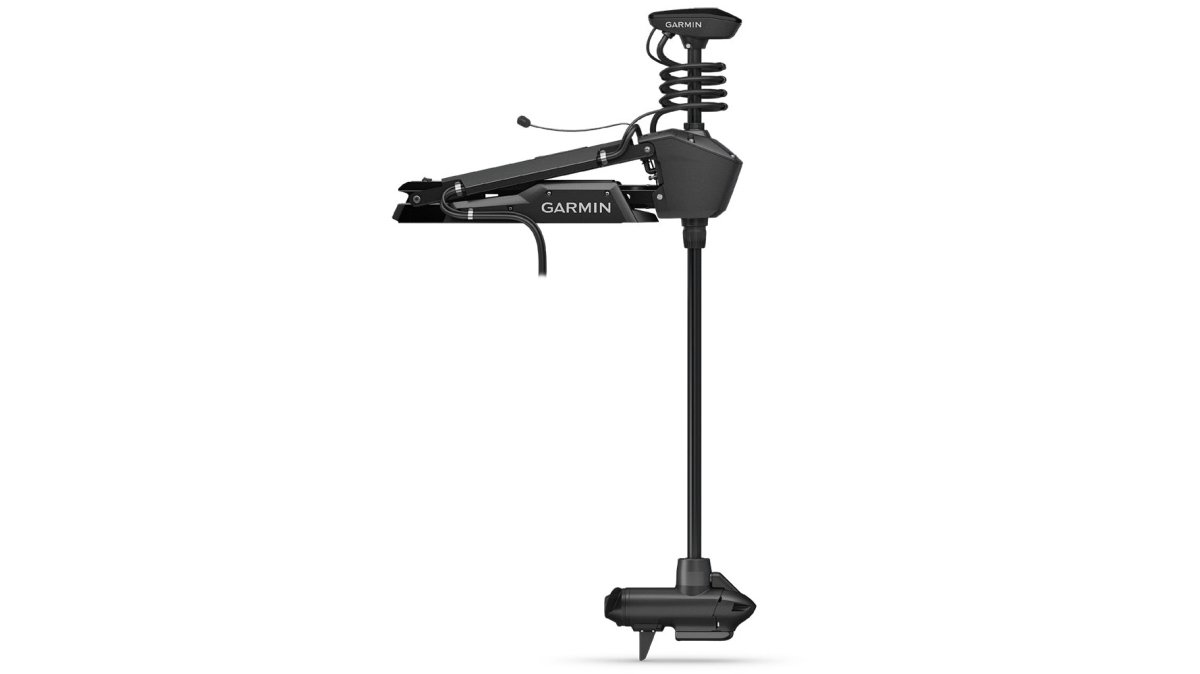
The Garmin Force Freshwater Trolling Motor - 57" integrates sonar directly into your trolling motor, eliminating the need for a separate transducer. At $2,629.99, it's a premium investment, but the value becomes clear the first time you use it. This motor combines brushless efficiency with integrated CHIRP and Ultra High-Definition scanning sonar (ClearVü and SideVü), wireless autopilot, and a cable-free foot pedal. Running on 36V or 24V, it delivers exceptional thrust while staying nearly silent, critical when fishing pressure is high. The wireless foot pedal operates on AA batteries or hard-wired connection, giving you instant control without cable drag. The floating handheld remote includes point-and-go gesture steering and programmable keys for chartplotter control. For freshwater lakes and reservoirs, this motor represents the cutting edge of positioning technology, letting you hold exact locations while scanning the water column for active fish.

Professional Fishing Rod Holders and Boat Rigging
Rod holders define how efficiently you can deploy and manage multiple rigs. A poorly rigged boat wastes space and creates tangles; a well-rigged boat lets you switch tactics instantly and keep your deck organized under pressure. Elliott's Tackle & Rigging stocks rod holder systems designed for both saltwater durability and freshwater performance, accounting for the different corrosion challenges each environment presents.
Vertical rod holders work best for trolling and when you're actively fishing. Horizontal holders keep rods secure during transport and reduce deck clutter. Gunwale-mounted systems stay out of the way but require quick access. The best setup combines multiple holder types: vertical holders near your helm for active fishing, horizontal holders along the rails for backup rigs, and deck-mounted systems for specialty rods. Space them so you can grab any rod without tangling others, and ensure each holder grips the rod firmly without crushing the blank.
Quality rod holders use stainless steel hardware and UV-resistant polymer bases.
Trolling Motor Installation Tips and Setup
Installing a trolling motor correctly determines whether it performs smoothly or creates problems all season. Most issues stem from poor mounting, inadequate cable management, or misaligned transducers.
Garmin Force™ Freshwater Trolling Motor →
Freshwater Trolling Motor Performance
Freshwater trolling motors prioritize quiet operation and precise positioning. Freshwater fish like walleye and bass spook easily, so minimizing noise and vibration matters more than raw power. The Garmin Force delivers this balance, brushless motor efficiency keeps noise nearly imperceptible, and the integrated sonar lets you locate fish without dropping a separate transducer.
Essential Lures, Baits, and Terminal Tackle
Lure selection depends on water conditions, seasonal patterns, and target behavior. Fish respond differently to swimbaits in spring than they do to topwater in summer or jigs in winter. A quality fishing shop stocks lures across all these categories, not just what's trendy this month.
Tackle Storage and Organization Systems
Disorganized tackle creates frustration and wastes time on the water. The Plano Three-Tray Tackle Box in blue and white ($27.99) delivers practical organization that's lasted decades for good reason. Three adjustable-compartment trays accommodate everything from tiny jig heads to large swimbaits. Two top-access storage compartments on the lid hold frequently used items. The brass-bailed latch closes with a reassuring snap, keeping contents secure during transport.

Maintenance, Repair, and Sustainable Fishing Practices
Quality gear demands maintenance. Rinse reels, rods, and electronics with fresh water after every saltwater outing. Inspect drag systems monthly and replace worn washers before they fail mid-fight. Check rod guides for corrosion or cracks that could fray your line. Lubricate reel bearings according to manufacturer specifications, most modern reels need light lubrication once per season.
Frequently Asked Questions
What gear is essential for a complete bass fishing shop setup?
A solid bass fishing shop foundation includes a baitcaster reel with smooth drag and reliable gear ratio, a sensitive rod matched to your technique, quality fishing line (monofilament, fluorocarbon, or braided), a selection of lures like crankbaits and swimbaits, terminal tackle such as hooks and jigs, and organized tackle storage. Many serious anglers also add marine electronics to read water conditions and a trolling motor for precise positioning. Start with rods and reels, then build your lure collection based on your target water conditions.
How do I choose the right trolling motor for my bass boat?
Consider shaft length (typically 45-57 inches for bass boats), thrust requirements based on boat weight, and freshwater versus saltwater rating. The Garmin Force Freshwater Trolling Motor in 57-inch shaft delivers brushless efficiency at 36V or 24V with integrated sonar, wireless autopilot, and nearly silent operation. Match thrust to your boat size and water type, and verify the motor supports your existing chartplotter for seamless integration.
Why should I invest in field-tested equipment from a bass fishing shop?
Field-tested gear has been proven on the water under real conditions, not just in laboratory settings. Equipment hand-selected by experienced captains with decades of fishing expertise ensures durability, reliability, and performance when it matters most. You avoid purchasing gear that fails mid-season or performs poorly in your specific water conditions. Quality equipment lasts longer, requires less maintenance, and directly improves your success rate on the water.
Can saltwater-grade fishing gear work in freshwater bass environments?
Yes, saltwater-grade gear often performs exceptionally well in freshwater because it's engineered for harsher conditions. Match your primary water type to your core setup, then supplement with specialized gear as needed.
0 comments